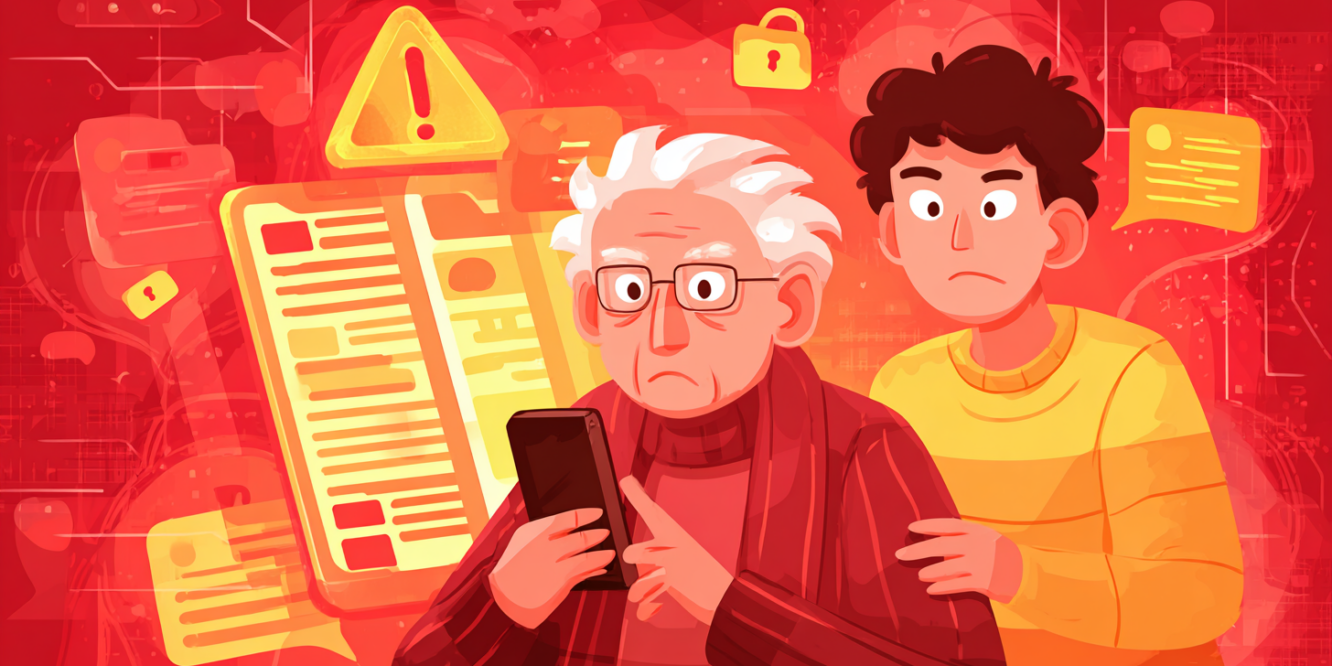
Fast login has become one of the defining promises of modern digital life. Users are encouraged to sign in with one click, stay logged in across devices, save credentials in browsers, authenticate through social accounts, and move between apps with as little friction as possible. From a product perspective, this makes sense. The easier it is to enter an account, the less likely a user is to abandon the service, forget the password, or become frustrated during a routine task. Speed feels like convenience, and convenience feels like progress.
Yet behind this shift lies a growing conflict. The systems designed to make digital access smoother often reduce the amount of friction that once protected accounts from misuse. What feels simple to the legitimate user can also create opportunities for attackers, careless behavior, and long-term exposure. The problem is not that fast login is inherently unsafe. The problem is that digital systems increasingly reward seamless access while quietly transferring more security risk onto users, devices, and surrounding habits.
This conflict begins with a basic truth: security usually benefits from pause, while convenience benefits from speed. Real security often asks users to verify identity, separate credentials, confirm unusual activity, and tolerate steps that slow the process down. Fast login pushes in the opposite direction. It aims to remove hesitation, reduce memory load, and keep access continuous. In many modern systems, the ideal user experience is one in which authentication becomes nearly invisible.
That invisibility is attractive, but it can be misleading. People often judge security by how sophisticated a platform looks rather than by how vulnerable everyday access habits have become. If an account opens quickly, syncs automatically, remembers the device, and rarely asks for re-verification, the user may feel that the system is well designed. In practice, that same smoothness may mean that too much trust has been placed in a browser session, a saved credential, a device token, or a weak recovery path.
One major source of this tension is credential storage. Modern users are constantly encouraged to save passwords in browsers, apps, and devices so they can sign in instantly. This reduces password fatigue and helps people avoid using the same password everywhere, which is a real benefit. But it also changes the security model. Instead of protecting a secret through memory and deliberate entry, users increasingly protect access through the security of the device itself. If that device is compromised, lost, shared carelessly, or synced across weakly secured environments, the saved-login model can become a liability.
The same tension appears in persistent sessions. Many services are designed to keep users logged in for long periods because repeated authentication is seen as bad for engagement. From the user’s point of view, this feels efficient. They move through banking tools, work apps, e-commerce platforms, and messaging systems without interruption. But persistent access also increases the value of a stolen session. If an attacker gains access to an unlocked device, a hijacked browser, or a reused session token, the absence of friction becomes an advantage for the attacker too.
Single sign-on systems create another version of this conflict. Logging into multiple services through one trusted identity provider is highly convenient and often easier to manage than maintaining dozens of separate credentials. For organizations and users alike, this can simplify account control. But it also concentrates risk. If the central account is compromised, a large part of the user’s digital environment may become accessible at once. What looks like elegant efficiency on the surface can create a dangerous dependency underneath.
There is also a behavioral dimension to the problem. Fast login systems gradually teach users to expect immediate access everywhere. Over time, people become less tolerant of security friction. They may resist multi-factor authentication, ignore warnings about unknown devices, approve prompts too quickly, or rely excessively on remembered sessions because re-entering credentials feels inconvenient. In this way, design shapes habit. The more digital systems normalize frictionless access, the harder it becomes to persuade users that occasional friction is not a failure of design, but a basic condition of security.
This matters especially because attackers increasingly exploit behavior rather than only technical flaws. Phishing, social engineering, credential theft, session hijacking, and push-fatigue attacks all benefit from environments where users are trained to move quickly and question less. A person accustomed to instant login may be more likely to click a login link without scrutiny, approve a suspicious verification request, or trust a familiar interface that has been imitated by an attacker. The modern login experience is not just a technical system. It is also a psychological environment, and that environment often favors speed over caution.
Biometric authentication complicates the picture further. Face recognition and fingerprint login are often promoted as both secure and user-friendly, and in many cases they are indeed safer than weak passwords alone. But biometrics can also create a false sense of closure. Users may assume that because access feels modern and effortless, the account is fully protected. In reality, biometric convenience still depends on the integrity of the device, fallback authentication methods, recovery channels, and account management practices. The front door may look strong while the side entrance remains weak.
Another issue is that account security is rarely determined by login alone. Recovery systems often reveal the real compromise. A service may offer advanced authentication on the way in, but weak email recovery, poor device management visibility, or insufficient alerts when account details change. In such cases, the fast-login experience becomes part of a broader illusion: visible simplicity gives the impression of control, while hidden account infrastructure remains underprotected.
Businesses intensify this conflict because they are often rewarded for reducing friction. Every extra login step may hurt conversion, retention, or user satisfaction. Product teams are pushed to make onboarding and return access as smooth as possible. Security teams, meanwhile, know that friction sometimes exists for good reason. The tension between these goals is structural, not accidental. Modern digital platforms compete on ease of use, but account safety often depends on measures users do not enjoy and companies do not always want to emphasize.
The real challenge, then, is not choosing between convenience and security as if one must completely defeat the other. It is recognizing that convenience has a security cost, and that cost must be managed honestly. Fast login can be valuable when it is supported by strong device security, thoughtful session controls, clear login alerts, reliable multi-factor protection, and good user education. The danger appears when speed becomes the dominant value and security is expected to remain invisible.
The growing conflict between fast login and the real security of digital accounts reflects a wider truth about modern technology. Systems are increasingly designed to feel effortless, but effortless use does not mean effortless protection. In many cases, the smoother the login experience becomes, the more important it is to ask what invisible assumptions are making that smoothness possible. Who or what is being trusted? How long does that trust last? What happens when the device changes hands, the browser is compromised, or the recovery channel is attacked?
Fast login is not the enemy of digital safety. But it becomes dangerous when convenience stops being a feature and starts becoming an unquestioned ideology. Users want speed, platforms want low friction, and modern design treats seamless access as a sign of quality. Yet real security still depends on boundaries, verification, and moments of deliberate interruption. That is the conflict at the center of the modern login experience. The faster access becomes, the more carefully trust must be designed around it.